


Anyang jin rong metallurgy co., LTD., formerly jin rong metallurgy factory, we are a professional metallurgical company from China, with an annual production capacity of 100000 tons of workshop. We focus on rare metal mining and processing, with the support of experience and technology, we have enough ability to do foreign trade, under the much-anticipated, jin rong metallurgy company set up foreign trade. The company has a long-term engaged in import and export business of professional foreign trade team of experts, knowledge comprehensive, diligence, energetic. Our customers come from all over the world, such as the east Asia and southeast Asia, North America, Europe and Australia. Since its establishment, we always adhere to the principle of customer first, strictly regard the quality and service as the key point, anyang jin rong metallurgy co., LTD. always at your service.
Why Choose Us?
R&D Capability
Anyang jin rong metallurgy co., LTD. has two production bases, two key laboratories and a metallurgical materials testing center, has dozens of senior researchers. With colleges and universities, metallurgical production enterprise committed to the new material, new technology, new technology, new product development and application of fully achieved on the basis of the sustainable development of the existing processes and products, and continuously to develop new technology and new products.
Perfect Logistics and After-Sales Service
Our team through strict screening and training, each employee has a high level of communication skills and ability, grasps the most professional knowledge and the most patient of service attitude, guarantee for you to solve all problems and confusion. We guarantee to reply your email in less than 24 hours. Additionally, we have long-term logistic partner to enhance the stability of transportation and well manage potential shipment risk.
Professional Team
The company has a long-term engaged in import and export business of professional foreign trade team of experts, more than 10 of which are senior researchers. Besides, We have more than 16 years of experience in producing high-quality Molybdenum Alloy products.
Good Supply Channel and High Quality
Our unique advantage we have good supply channel make the product prices are lower than those offered by other peers, the quality is better. We continue to develop new FeMo70, constantly improve quality, enhance the durability of products, and offer high quality and low price products to customers.


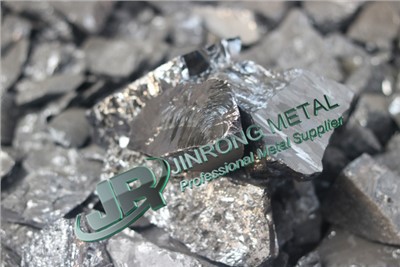
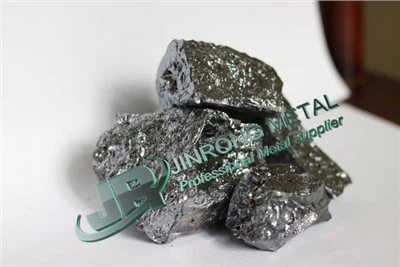


What is Silicon Mental?
Silicon metal is a grey and lustrous semi-conductive metal that is used to manufacture steel, solar cells, and microchips. Silicon is the second most abundant element in the earth's crust (behind only oxygen) and the eighth-most common element in the universe. Silicon contracts in its liquid state and expands as it solidifies. It has relatively high melting and boiling points, and when crystallized forms a diamond cubic crystal structure.
Properties of Silicon Mental
Physical Properties of Silicon
It is a crystalline solid that has a blue-gray metallic luster and is hard and brittle. Si is the tenth most abundant element in the universe by mass, yet it is extremely rare in nature as a pure element. It is commonly found as silicon dioxide or silicates. It is both a semiconductor and a tetravalent metalloid. Since Si is a semiconductor, which means that it has a restricted capacity to conduct electricity. The capacity of silicon to conduct electricity may be significantly improved by doping it with additional elements. Si is used to make semiconductor devices such as transistors, microchips, and solar cells.
Chemical Properties of Silicon
At room temperature, silicon is a rather passive element. It does not react with oxygen or the majority of other elements. Water, steam, and the majority of acids have minimal effect on the element. However, at higher temperatures, Si becomes considerably more reactive. It mixes with oxygen, nitrogen, sulfur, phosphorus, and other elements when molten (melted). It also easily produces a variety of alloys when melted.
●Si forms compounds with metals (silicides) and with non-metals.
●Combined with oxygen as silica (silicon dioxide, SiO2) or with oxygen and metals as silicate minerals. It is stable in air even at elevated temperatures owing to the formation of a protective oxide film.
●It has dark-brown crystals that burn in air when ignited.
●It is transparent to long-wavelength infrared radiation.
●It dissolves only in a mixture of nitric acid and hydrofluoric acid
Electronic Uses
Silicon is highly valued in the electronics industry. Pure Si has a high electrical resistance and a poor electrical conductivity.
●Si is a semi-conductor, which means that it conducts electricity under certain circumstances while acting as an insulator under others. Because of these properties, it is an excellent material for manufacturing transistors that amplify electrical impulses.
●Si is used to coat electrical components such as keypads, keyboards, and copier rollers, as well as hard coatings for computers, fax machines, telephones, and home entertainment devices.
Construction Industry
●Different types of construction materials such as portland cement, fire bricks, are made of silicon.
●Various waterproofing materials used for the constructions now days are made of silicons.
●Earth bricks contains 50-60 percent of silica which prevents cracking and shrinking of the bricks.
●Silicon waxes and greases are employed in high-temperature environments.
●Si compounds are also utilized to make mechanical seals, molding compounds, and waterproofing materials.


Ceramics
Silica is a component ingredient of numerous ceramics, including whiteware ceramics containing burned clay minerals.
●The main component of porcelain is kaolinite, a silicate mineral. The classic soda-lime glass used in window panes and containers also contains Si compounds.
●Optical fibers are silica-based glass fibers of various types. Glass wool, used for thermal insulation, and fiberglass, used for structural support, are both silica-based compounds.
●Silicon carbide is very useful in the production of high-strength ceramics.
Industrial Uses
●Si aids in the insulation of structures against the weather. It contributes to increased energy efficiency and the maintenance of acceptable temperatures for both humans and machines.
●In addition, the application of silicon as a coating aids in the structural integrity and resistance to corrosion of buildings, roads, and bridges.
●Silumin, a silicon-aluminum alloy, is used to cast components in the automotive sector. This combination solidifies with little thermal contraction, enhancing aluminum’s stress and wear resistance qualities.This decreases the likelihood of rips and cracks on the vehicle’s surface.
●Ferrosilicon is an alloy of silicon and cast iron. When exposed to air, it inhibits the production of cementite. Due to Si high oxygen efficiency, ferrosilicon is particularly useful in the steel sector for preventing corrosion.
What are the Top 7 Reasons to Use Silicone?
Temperature Resistance
Silicone is known for its broad temperature resistance in environments ranging from extremely cold to extremely hot. Silicone preserves its flexibility, especially in applications with low temperatures, instead of becoming hard and brittle like many other materials. In high-temperature situations, heat will not degrade silicone's high-performance properties. Exact temperatures may vary by product, but a typical silicone temperature range is -55°C to +200°C (-67°F to +392°F). Given this, silicone is often the go-to material for aerospace, automotive, industrial, and life science applications where various components are exposed to challenging temperature demands.
Environmental Protection
Silicone's resistance to environmental factors such as ultraviolet (UV) radiation, ozone, and moisture makes it an ideal material for outdoor applications. Unlike many other common materials, silicone's ability to resist harsh elements demonstrates its durability, reliability, and long-term performance. This is critical in applications such as outdoor electrical enclosures, outdoor lighting fixtures, and construction applications where exposure to sun, rain, snow, and humidity are expected.
Chemical and Cleaning Agent Resistance
Silicone is resistant to many chemicals and cleaning agents, making it a go-to material for applications where exposure may occur. This includes applications in food and beverage, medical and life science, semiconductor, and manufacturing. Silicone's chemical resistance and inertness are important in these types of applications to facilitate the reliability and long-term performance of devices and components.
Excellent Sealing Performance
Silicones are specified for sealing applications in virtually every industry because they can withstand compression cycles without significant loss of sealing effectiveness, especially in challenging environments.
Fire Resistance
Silicone is specially formulated and tested to the most stringent flame ratings. It is important to note this because silicone will meet different flame ratings depending on the specific formulation and thickness. Flame ratings are particularly important in areas where fire safety is critical, such as electronics, electrical equipment, automotive, aerospace, railway, defense, and medical.
Low Flame, Smoke, Toxicity (FST) and Outgassing
Silicone exhibits low flame, smoke density and toxic gases when burned. These properties are critical in applications where there is a fire risk, human exposure, or a need to prevent contamination of sensitive components. Overall, silicone helps ensure safety and reliability by meeting various industry regulations and requirements for FST (Flame, Smoke, and Toxicity). Please check out the Technical Data Sheet of the product you are interested in for specific details.
Versatility
Silicone comes in many different forms, including cellular foam, sponge, and solids to meet a variety of applications. Each silicone form has key properties that make it suitable for certain applications. Silicone also comes in various hardness, firmness, thickness, and color options to meet versatile application needs. Additionally, silicone chemistry can be specially formulated to meet unique challenges, including heat management, sound blocking, electrical conductivity, and more.
Some Common Types of Silicon Mental
Silicon 553
Silicon 553 is a high purity transition metal silicide, developed as a special purpose material for advanced electronics. It is characterized by its high purity of more than 99.999%, small grain size of finer than 3 μm, and uniform composition throughout the mixture. The low thermal expansion coefficient, low density, and low coefficient of friction of the material makes it ideal for high temperature insulation, sealing, and thermal protection. It can also be used in gas turbine components, such as combustion chamber liners and bearing pads.
Silicone 441
Metal silicone 441 is characterized by its high purity, good chemical stability and excellent physical strength. It does not dissolve in water and does not react with most chemical compounds. Therefore, it is used in various industries for its excellent performance. This product is usually used to prepare compounds such as glass, refractory material, refractory brick and ceramic. It can also be used for insulation materials, construction materials and chemical catalysts.
Silicon Metal Powder
Silicon metal powder appears as a dark brown amorphous powder, has no odor, and is practically insoluble in Water at ambient conditions. However, it is soluble in molten Alkali Oxides and a mixture of Nitric-Hydrofluoric acids. It burns readily on exposure to heat or flames and may be difficult to extinguish with Water.
Silicon Lump
Silicon Lump has a blue-grey metallic luster look to it and is used commonly in semiconductor electronics, transistors and integrated circuits. It is also used to produce various alloys with the most common being ferro silicon. Silicon lumps are also used quite often in steel refining and in the Aluminum alloy casting industry. Silicon is the single most important additive to Aluminum to improve its casting properties.
Calcium Silicon Alloy
The calcium silicon alloy is a new type used in steelmaking deoxidizer. Elements can improve the content of inclusions in the steel and gas content, reduce costs, save aluminum. Effective new technology can replace ordinary alloy and pure aluminum used in steelmaking. The final DNA is especially suitable for the process of continuous casting steel requirements.
Silicon Barium Alloy
New silicon barium alloy is a kind of common additives, are used in the steel smelting used as deoxidizer. New silicon barium alloy in silicon can react with oxygen to produce the silicon dioxide, which is easy to remove, barium also has the good affinity with oxygen, and the impurities such as sulfur and phosphorus in the liquid steel also have certain remove effect, better purification of molten steel.
How Do I Choose the Right Silicone Material for My Application?
When selecting a silicone material, temperature exposure stands out as a pivotal consideration as it directly impacts application performance and longevity. Choose a silicone material with the appropriate temperature resistance rating that aligns with your application's operating conditions. This will ensure optimal material performance and durability in your application. You want to consider a few different temperature parameters in your application: temperature range (maximum and minimum) and typical operating temperature.
Will material be outdoors and/or exposed to UV, ozone, and/or radiation? Silicone is resistant to radiation, oxygen, ozone, and UV light (A, B, and C wavelengths). The silicon-oxygen bonds in silicone's inorganic chemistry are more stable than those between the carbon atoms in organic polymer chains. The amount of energy provided by UV light is high enough to break Carbon-Carbon bonds, but not enough to damage silicone's Si-O bonds. Silicone's resistance to radiation, oxygen, ozone, and UV makes it a great option for outdoor applications where these harmful environmental conditions naturally occur and degrade other materials.
Is fire safety important in my application? Does my material need to meet any flame ratings?
In applications where fire safety is a concern, engineers should consider a silicone material that meets one of the following industry-recognized flame ratings:
●UL94 V0/HBF/HB industrial enclosures
●FMVSS-302 for automotive
●FAR 25.853 and FAR 25.856 for aircraft
●NFPA 130 and EN45545 requirements for railway
Will my material be exposed to any chemicals or fluids? This is an important consideration if materials come in contact with chemicals or fluids during cleaning or other scenarios. Generally, silicone materials have good resistance to chemicals, fuel, and oil at temperatures that would otherwise eliminate most other elastomers from being used in an application (except for fluoroelastomers). You may need to use a fluorosilicone material if high chemical resistance is required. If silicone encounters chemicals or fluids, the material may show some swelling. Once the material is removed from the fluid, it returns to its original shape and shows little loss of its properties.
Is my application sensitive to contamination? There is always a concern about what potentially can outgas from a material. Silicone cellular foams are formulated and are post cured, reducing the available outgassing components to levels in the ppm (part per million). This allows them to be used in electronics since there are very low levels of contaminants that can cause interference with the components.
While silicones can be more expensive than many other elastomers on the market, evaluating the risk and reward the material provides is a good idea.
Our Factory
Below is our factory:

Certifications


Ultimate Guide
We're professional silicon metal manufacturers and suppliers in China, specialized in providing high quality products with low price. We warmly welcome you to wholesale or buy discount silicon metal made in China here from our factory. For more cheap products, contact us now.
micro silica, Silicon metal model 3303, Industrial silicon 3303